
Are You Prepared for a Freeze?
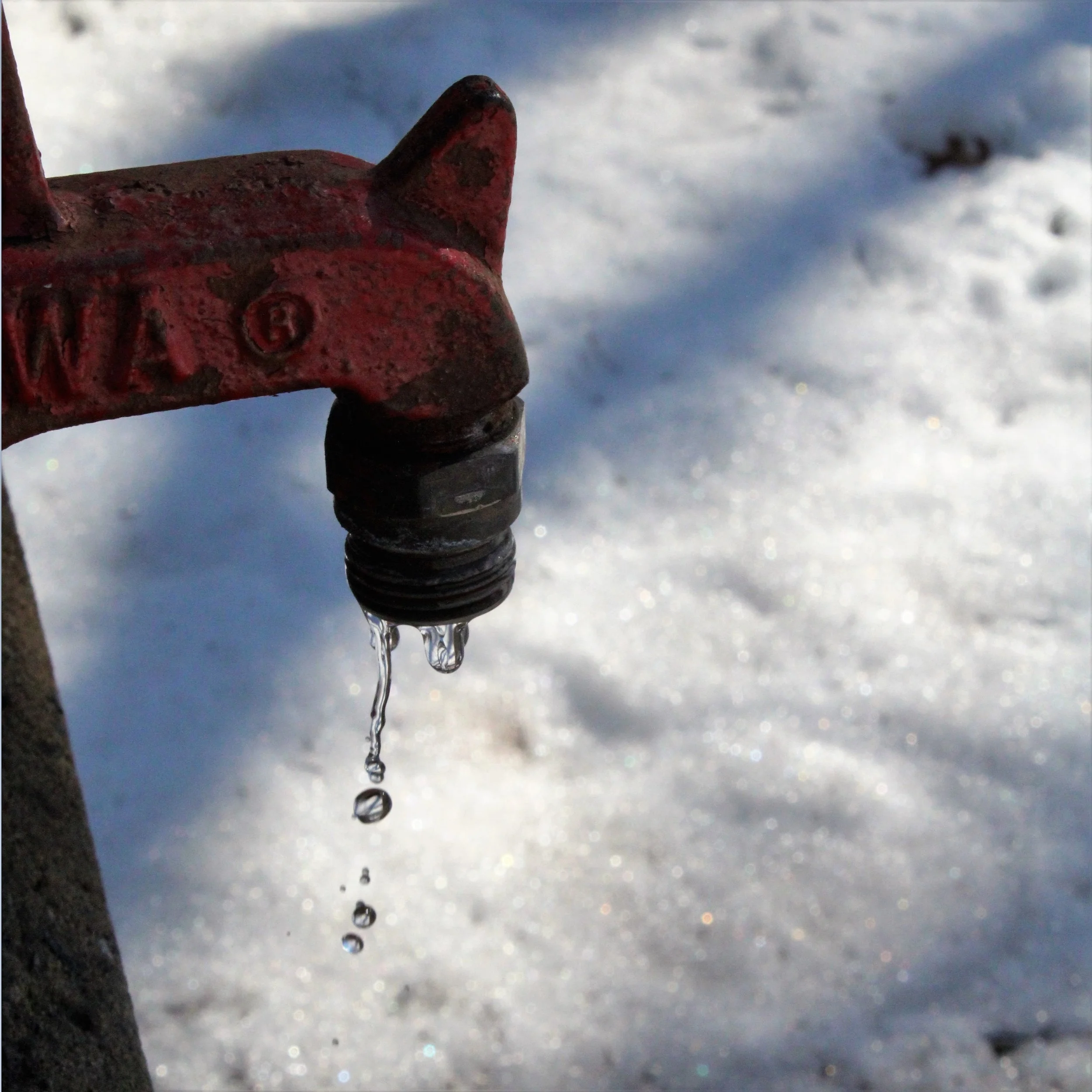
Image by Joe Zlomek on Unsplash
On Christmas Eve and for several days afterwards in 2022, Georgia experienced a deep freeze that wreaked havoc on the community. Pipes in homes burst. Commercial sprinkler systems burst. A LOT of water damage resulted from this event. There are predictions being made that the end of December 2025 is going to see a similar weather event. It's a smart move to prepare ahead of time! A polar vortex brings extremely low temperatures and high winds, which pose significant risks to your home, especially to your plumbing and heating systems.
Here is a comprehensive checklist to help prepare your home for the impending cold snap:
1. Protect your pipes from freezing! This is the most critical step to protect your home from burst pipes.
Wrap any exposed water pipes in unheated areas like basements, crawl spaces, attics, and garages, especially along exterior walls. Use either foam pipe insulators or heat tape that can be found at your local home improvement stores.
Disconnect all outdoor garden hoses and drain the outdoor spigots. Turn off the water supply to these exterior faucets using their interior shut-off valve, then leave the outdoor spigot open to allow any remaining water to drain out. Wrap the exterior spigots with either a towel or a spigot cover that can be found at local home improvement stores to protect them from freezing winds damaging the valves or cracking the pipe between the spigot and the exterior wall of the home.
For sinks, especially those on exterior walls, open the cabinet doors underneath them to allow warmer indoor air to circulate around the pipes. When temperatures reach freezing outside, allow a slow, constant drip of cold water from a few faucets, especially those farthest from your main water supply. If you are experiencing especially cold weather, allow a stream about the size of a pencil lead to flow instead of a drip. Moving water is less likely to freeze. This is especially important at night when people are not using water to flush toilets or wash anything, so the water is not flowing as much through the pipes.
Never let your indoor temperature drop too low. Set your thermostat to at least 65 degrees, even if you leave the house. While you may not need to keep people warm, you still need the interior to maintain heat to prevent the wall cavities from dropping too low resulting in frozen pipes.
Know exactly where your main water shut-off valve is. We say this a lot because it is extremely important when an emergency occurs. In case a pipe bursts, you must be able to turn off the water immediately to minimize damage.
2. Insulate your home to keep heat inside and improve airflow throughout the home.
Inspect all windows and doors for drafts. Use weather stripping or caulking to seal any gaps and cracks. Use towels or rags to seal the bottoms of doors, especially rooms that are not being used to keep heat in the desired areas. Apply a door sweep or door shoe to exterior doors that will seal against the threshold to block drafts from outside.
Have your furnace or HVAC system checked to be sure it is functioning efficiently. Replace your air filter if it's dirty. It will be difficult to impossible to get service during a freeze so before it comes is the time to make sure it is in good working order.
Set your ceiling fans to run in the clockwise direction on a low speed to push warm air by the ceiling back down into the room.
If you plan to use a fireplace, make sure the chimney is clean and functional for fire safety during use. Keep the damper closed when not in use to prevent warm air from escaping.
If you use a space heater, keep it at least 3 feet away from anything flammable such as curtains, bedding or furniture. This is also true for anything that has a flame such as candles. Plug the space heater directly into an outlet instead of an extension cord or a power strip. Turn it off when you leave the room or go to sleep, in other words whenever no one is monitoring it. Never use a gas oven or range for heat as this can lead to a buildup of carbon monoxide in the home.
3. Prepare the exterior of your home or business.
Clean out any leaves or debris from your gutters and downspouts. While ice dams are rare in Georgia, any water that is trapped in your gutters by this debris will freeze and potentially cause damage to the gutters that can lead to leaks later on that may damage your roof.
Remove any dead or damaged tree branches that could break under the weight of ice or snow and fall onto your roof or property. Again, Georgia does not experience a lot of snow, but we do see ice enough to shut down entire communities. When that happens, a lot of damage comes from fallen trees and branches.
Make sure exterior vents, such as your dryer and furnace vents, and any outdoor HVAC units are clear of snow and ice. If your dryer is not in use, consider temporarily plugging the vent to keep interior heat from escaping through this vent.
Have rock salt, sand, or an ice melt product ready for walkways and driveways.
4. Stock emergency supplies for use if there is a power outage or ice makes travel difficult.
Stock up on non-perishable food that doesn't require cooking, and store at least one gallon of bottled water per person per day for drinking and cooking (if you have a generator to power a microwave, oven or electric stove or have a gas stove). You can store additional water for washing by plugging sinks and tubs then filling them with water, but do not use this water for drinking or cooking.
Have flashlights, battery-powered lanterns, and extra batteries ready. Keep extra blankets and warm clothing accessible. Keep your first-aid kit and any necessary prescription medications fully stocked in case you can’t get out, and help has trouble getting to you.
If you have a generator, test it and have fuel ready. Never run a generator indoors or in an attached garage due to carbon monoxide risks. Only plug in essential devices to keep from overloading the generator.
Taking these steps will significantly reduce the risk of damage to your home and keep your family safe and warm during freezing temperatures. In the unfortunate event that the unthinkable does occur, contact the experts at ServiceMaster of Gwinnett and ServiceMaster 5 Points. Available 24/7/365 call us at (770) 962-0110 or (706) 543-3333, we can help guide you from crisis to resolution as quickly as possible.