
What Homebuyers Should Look for to Check for Past Water or Fire Damage
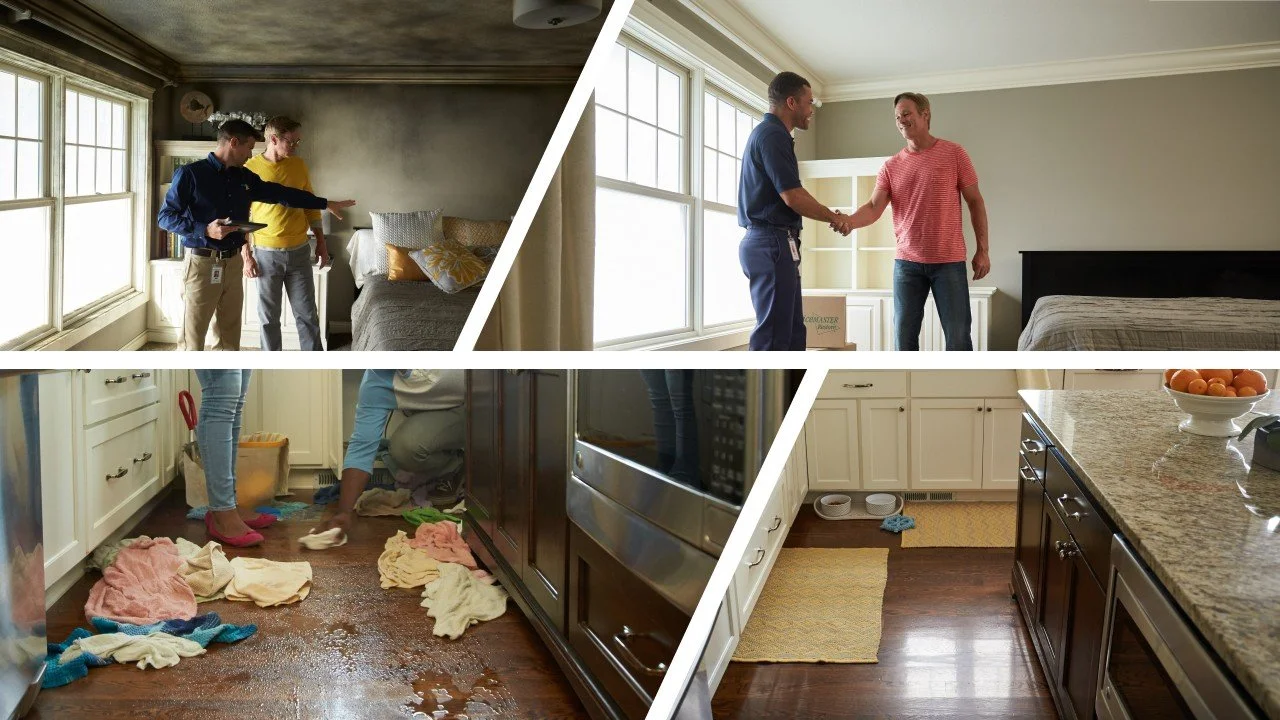
The most common time to buy a house tends to be during the summer so now is when most people start shopping around. If you find your dream home, what do you look for to be sure it has not experienced water or fire damage that was either not repaired correctly or not repaired at all? Your inspection should be in 2 phases. You need to check the outside of the home for signs that water damage is possible. Then you check the inside for signs that water or fire damage has already occurred and been addressed or missed.
On the outside of the home, check these items:
1. Is the home sitting at the highest point on the lot or does the land slope down to the foundation. If the home is set where water runs toward the foundation, you will need to check for water damage. This is also a buyer's consideration even if no damage has occurred yet since it is also a potential issue for future water damage.
2. Does the roof appear to be intact or are there missing or damaged shingles? Roof damage can lead to water damage in the attic or top level of the home. Be sure you find out when the roof was replaced last because insurance carriers are putting more emphasis on maintaining roofs on residential homes. If the home you are interested in buying has an older roof with signs of damage, you may have to make the repairs a priority to get coverage from your preferred insurance company.
3. Are the gutters intact and unclogged? If not, they can't carry rainwater away from the home. This exposes the home to water damage underneath the roofline or siding. To check for past damage from clogged or damaged gutters, look for dark or discolored streaks running down the siding. If the siding is wood or metal, you may see bubbling paint instead of or in addition to staining. Look close at the fascia boards (the boards the gutters mount to) and the soffits (the underside of roof’s overhang) for signs of darkening or staining. Poke the wood to see if it is soft and spongy, indicating rot from water trapped against the wood for a long time. Also look for algae, moss or mildew streaks which will indicate spots where the home is frequently damp.
4. Are there any cracked windows, window frames or door frames? Improper seals or damaged frames allow water to enter the home during heavy storms. Slow or hidden leaks like this can sometimes cause rot or mold on the framing around wherever the water is getting inside.
5. Check around the foundation. Does water coming from the downspouts divert away from the foundation? Are there soft spots on the ground where water collected and is now trapped against the foundation?
Now that you are satisfied that the exterior of the home looks good, check these items on the inside:
1. Are there any rings or stains on the ceilings or walls indicating a pipe leak in the wall or under the floor of the room above? Scorch marks can be a sign of a previous fire. While looking for this also check for patches on the drywall, discoloration or thickening of the paint which are indicators of past repairs. While repainting or renovating a room is perfectly acceptable, ask if this is due to any damage before you buy.
2. Look inside all cabinets to check for discoloration, sagging or signs of mold growth which are indicators of a leaking sink or pipe in the wall behind the cabinet. Most people keep a LOT of stuff under their sinks. You may have to move some items to check the cabinet base. While you have the area cleared to look, press on the floor to see if it is solid or softened from being periodically wet from small leaks but not wet enough to cause rot or mold growth.
3. Look at the floors and feel around fixtures that have water (toilets, tubs/showers, washing machines, fridge, etc.). Is there any discoloration? Are there any cracked tiles? Is the wood flooring even or are any of the planks warping? Are there any soft spots around the fixtures that have a lot of water? These are all signs of potential water damage and warping of the flooring or door/window frames can also be a sign of fire damage.
4. Is there any sign of rust around the hot water heater? This can lead to a slow leak or worse a burst heater tank. Check the age of the water heater while you are there. Water heaters are wear and tear items that have a life expectance of 8 – 12 years. If the heater in this home is close to that age or older, you may be looking at replacing it very soon or worse having it burst shortly after you move into the home. While looking at the water heater, also take a glance at the HVAC system for signs of soot damage. Soot gets everywhere after a fire, especially in the vents and HVAC system.
5. Most importantly, trust your nose. Do you smell anything unusual? Is the home too heavily scented? Do you smell anything musty or any mildew odor? Is there a lingering smoky smell? Any smells that seem wrong need to be investigated before making any offers on the home.
A previous water loss or fire is not necessarily a reason to walk away from a home because those types of damage can be repaired. Many people flip fire damaged homes to make more money. Having said that, this is a very buyer beware sort of transaction. The time to be sure you know what you are buying is now while you are still a prospective buyer, not after the papers are signed and those problems are now yours. If you suspect water or fire damage, you should get a certified inspector to perform a home inspection and ask the seller pointed questions about the signs of damage you are seeing.
For water damage mitigation and fire & smoke damage restoration, call ServiceMaster of Gwinnett or ServiceMaster 5 Points. Let our 35 years of expertise help you get started on restoring your loss into your dream home!