
Don’t Let Spring Showers Bring Water Damage
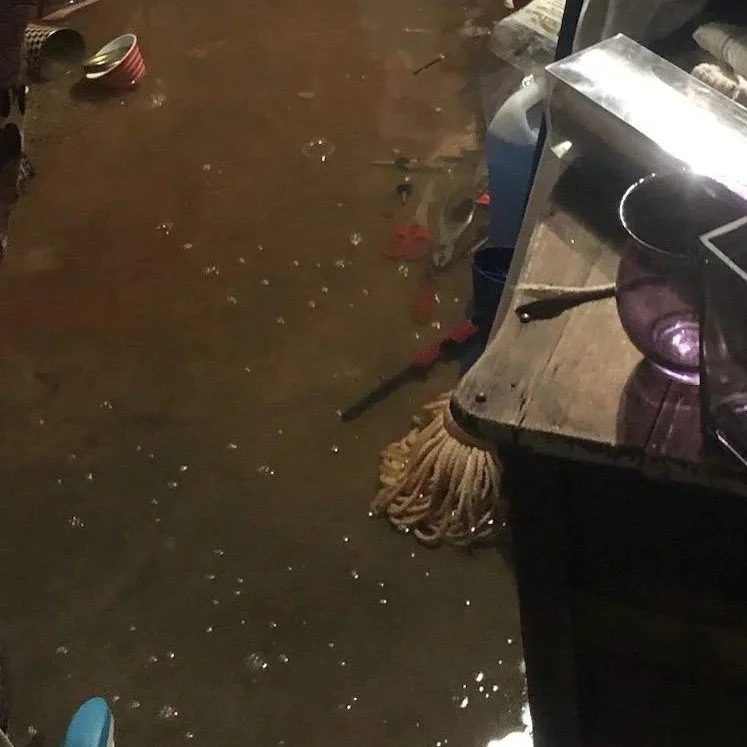
Spring weather often brings heavy downpours that can challenge a home’s exterior and foundation. Taking a proactive approach to water management is the most effective way to prevent costly repairs. Use these best practices for protecting your home during the transition into the rainy season.
On the exterior of your home start with the maintenance. The primary goal is to move water as far away from your foundation as possible. Remove leaves, twigs, and debris from gutters and downspouts. Clogged gutters cause water to overflow, which can lead to wood rot on the fascia and water pooling at the base of your home. Make sure your downspouts discharge water at least 5 to 10 feet away from the foundation. Extend your downspouts if they do not help move water running off your roof far enough away from your foundation. Use splash blocks or flexible extensions to guide the flow wherever the water does hit the ground. The ground around your home should slope away from the foundation at a rate of roughly one inch per foot for at least six feet away from your foundation. If the ground is flat or sloping toward the house, water will naturally migrate into your basement or crawlspace. If you cannot change the grade of your yard, install drainage in the ground around your home to help draw water away from your foundation to run off at the edge of your yard. Since the goal is to protect your foundation, make sure your trees and shrubs are planted far enough from the home to keep it safe. By keeping shrubs and trees away from your home, they cannot trap water against your foundation or damage your siding, roof or gutters. You want to plant shrubs 5 feet away. A general rule of thumb for trees is that their roots extend as far away from the base of the tree as the tree is tall.
Small entry points can become major issues when the ground becomes saturated. Check your basement or crawlspace walls for new or widening cracks. This is especially important at the start of spring. Small cracks during the winter can have water trapped in them that expanded during freezing temperatures which widen the cracks. This allows more water to enter the foundation which in turn will freeze again next winter causing a vicious cycle. Small fissures can be sealed with masonry caulk or epoxy injection kits to prevent leaking, or rainwater intrusion, during heavy rain. Inspect the caulking and weatherstripping around basement windows and exterior doors. Replace any material that is cracked or peeling to maintain a watertight seal. This needs to be done for all windows and doors, not just the ones that are at ground level. We see plenty of water damage every year from water getting in through a damaged window seal on the 2nd floor causing rot and mold growth inside wall cavities before being found by the homeowner.
If water does find its way in, your internal systems are the last line of defense. If you have a sump pump in your basement or crawlspace, test it before spring showers begin. Pour a bucket of water into the sump pit. You are checking that the float switch triggers the pump and that the water is actually being discharged outside instead of somewhere else inside your home. Power outages sometimes accompany spring storms. A battery-powered backup for your sump pump ensures it continues to operate even if your home loses power. Many homeowners install backwater valves (or check valves) on their sewage or septic lines to prevent waste from backflowing into the home during heavy rain or plumbing failures. If your home has a backwater valve, check it before the rainy season starts to make sure it is clear of debris and functioning properly. If you have a crawlspace, check the condition of your vapor barrier. A 6-mil or thicker polyethylene cover should ideally cover 100% of the ground to protect your floor joists. If this cover is torn or damaged in some way (or missing), you should replace it to keep rain saturated soil from causing mold or rot to develop on the framing under your house. Now you should be ready to let the rains come so you can enjoy the spring flowers. Of course, even with the best preparations, accidents happen. If you do have rain water get into your home, what do you do?
If you spill a glass of water on the kitchen floor, you grab a mop and move on. But rain intrusion is a different beast because it’s rarely just "on the surface." Professional restoration is usually necessary when rain makes its way inside. Water is a path-of-least-resistance traveler. Many people think it only travels down, but sometimes there are easier paths so water does not necessarily go where you think it should. While the carpet might feel slightly damp, the water has likely already seeped into other areas. Plywood can swell and grow mold or rot. Water wicks up drywall like water soaking into a sponge and saturates the insulation behind it. Baseboards often trap moisture against the studs, creating a dark, damp area ideal for growing mold. Restoration companies use professional detection equipment to determine exactly how far the water traveled without tearing your house apart.
Mold spores are naturally present everywhere, and they only need moisture and a food source, like your building materials, to colonize. Once rain enters a home, the opportunity for mold to grow begins. Household fans just move air around. Professionals, like ServiceMaster of Gwinnett and ServiceMaster 5 Points, use industrial air movers together with LGR (Low Grain Refrigerant) dehumidifiers to pull moisture out of the air and the structural materials themselves. We apply professional-grade treatments to prevent mold growth before it starts. We also have the expertise to monitor your drying progress and make adjustments to make sure there are no hot spots or pockets of moisture that get missed leaving a mold growth opportunity.
In the restoration industry, water isn't just water; it's categorized by its "cleanliness." This is a measure of the level of contamination that is in the water and can affect the residents of your home. Rainwater that has traveled over a roof, through a gutter, or across a lawn is often contaminated with bird droppings, chemicals, or soil bacteria. Professionals know how to sanitize the area properly so you aren't living with "outside" contaminants inside your walls.
If you plan on filing an insurance claim, a restoration company is your best ally. ServiceMaster of Gwinnett and ServiceMaster 5 Points work directly with your insurance adjuster to provide documentation such as detailed dry logs as proof that the home was returned to "dry standards. We provide photo documentation of the damage before and during the restoration process. By being a preferred water damage mitigation service provider, we can follow your insurance carrier’s guidelines to ensure that our water damage mitigation services are covered under your claim. We follow the carrier protocols and adjuster recommendations which are usually based on the insured’s specific coverage.
The most direct comparison between cleaning up water damage yourself or using ServiceMaster of Gwinnett or ServiceMaster 5 Points is that while customers dry the surface, we dry the structure. While customers only see and address visible damage, we use our 35 years of experience to detect hidden moisture and hidden water damage. We also have experience knowing what documentation is required by insurance carriers meaning that our work will be approved under a claim.