
The Silent Shift - Why Georgia’s Drought is a Risk to Your Pipes
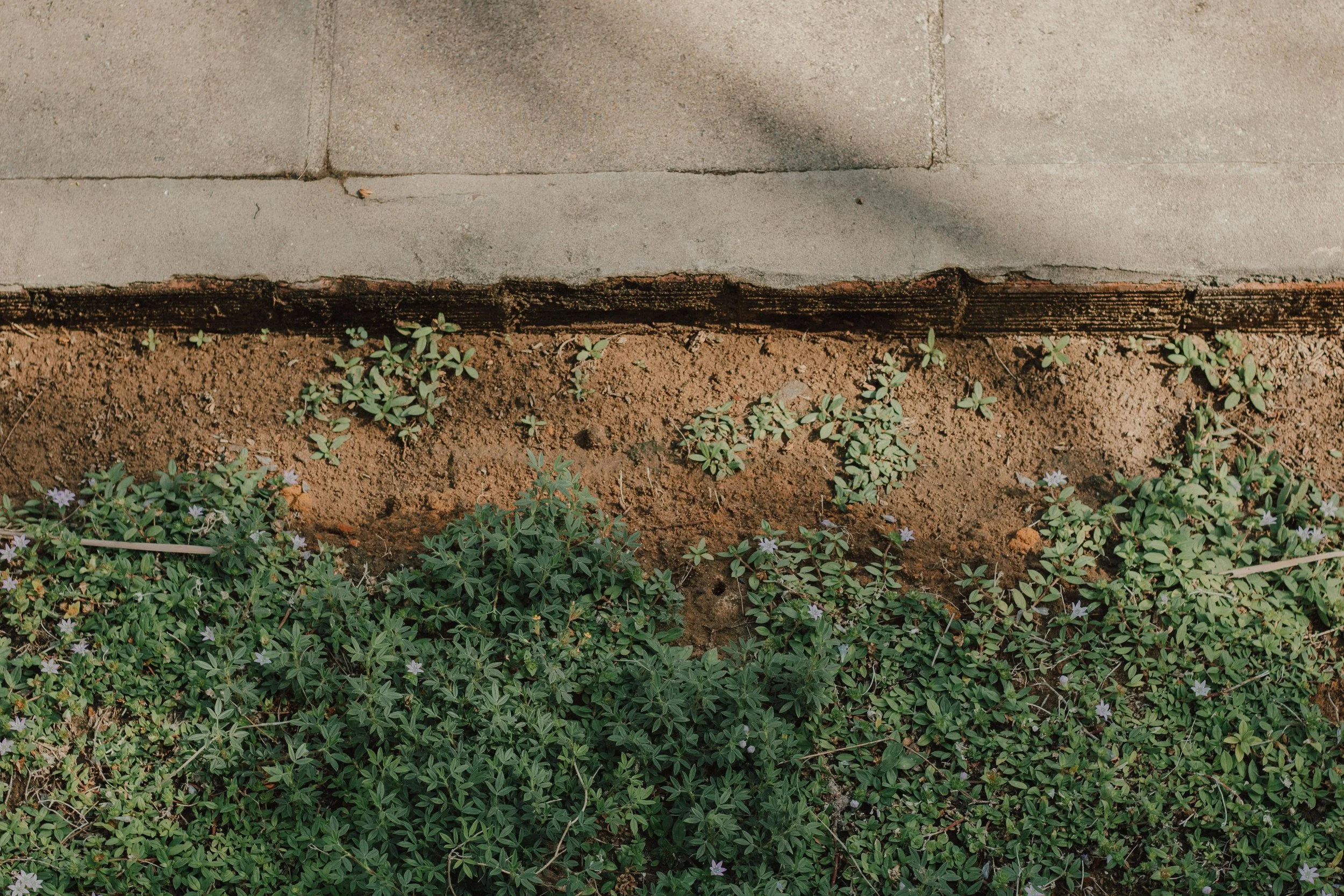
Photo by Monique Carrati on Unsplash.com
With 98% of Georgia in a drought this May, the soil around homes is shrinking. Most people associate water damage with rain, but extreme dry spells can be just as destructive to your pipes and foundation. According to the Georgia EPD, the US Drought Monitor currently has northeast Georgia at a D3 drought level (Extreme Drought). On April 27th, the Georgia EPD declared a state-wide Drought Response Level 1 which is the first step to tighter restrictions on water usage and availability. Watering between 4 PM to 10 AM is currently still allowed, but while you are focused on the outdoor watering schedule, there is a hidden threat underground. When Georgia soil dries out this severely, it doesn't just sit still—it shrinks.
Georgia’s clay-heavy soil expands when wet and contracts when dry. During a drought like this one, the soil pulls away from your foundation and underground plumbing. The shifting that results from the shrinking soil puts stress on PVC and copper lines running through your yard into your home. It can also put pressure on the foundation itself since the supporting soil tends to pull away from it, leaving room for the foundation to also shift. All this movement can cause pipes that survived winter freezes to snap or disconnect at the joints. Because the breaks happen under slabs or behind basement walls, water can run for days before they are noticed. See our earlier blog on how to look for hidden water damage.
When soil becomes dry enough, known as hydrophobic soil, the water won’t soak in when the rain finally does return. Water runs off instead of being absorbed by the ground. This often leads to dangers from flash flooding even during less severe rainstorms. It also means that the water can run into the gap between your home and the soil that shrank away from it. This water becomes trapped in there because it doesn’t readily soak into the soil, which can cause damage to your foundation. Now is the time to check your downspout extensions. They need to be moving water at least 6-10 feet away from the house, so the runoff doesn't pool against your already-stressed foundation. If you wait until the rain returns to address the problem, it will be too late to protect the foundation from flooding.
So, knowing what can happen during this drought, what should you be doing about it? Check your water usage. If your monthly bill seems high, it can be due to a leak between the street meter and your faucets. Turn off all the water in your home. If the needle on the meter is still moving, you may have a leak somewhere. If you do suspect a leak but can’t find it, call a leak detector to help you find it and call ServiceMaster of Gwinnett or ServiceMaster 5 Points to help you with any water damage you discover when you find the leak.
Protect your home proactively from the shrinking soil. Walk around your home, checking for any signs of a visible gap between the dirt and your foundation. If you see this gap, the soil is already too dry. You will need to take steps to gently rehydrate your soil so it closes the gap and can absorb rainwater when it comes. If you don’t see any signs of this telltale gap, during watering hours, lightly water the soil around the foundation. Do this very early or very late in the day to avoid evaporation during the hottest time. The goal is to keep the soil moist, not to soak it. Over watering can damage the foundation too. If you can stick your finger in the soil and feel that it is damp under the surface, there is enough water to protect the soil from becoming hydrophobic. If there is a gap between the soil and your home, do not water the soil close enough to have the excess water run off into the gap. Rehydrate the soil further away and work the hydration gently back toward the foundation.
Walk around your foundation on both the outside and the inside to look for new cracks. New foundation cracks, especially the “stair-step” cracks (cracks that run both horizontally and vertically in the shape of a staircase) can be early signs that a pipe is under too much pressure. This can be an early warning of a pipe failure. Existing cracks that are widening or growing longer can be signs of foundation shifting, putting additional pressure on pipes, so the pipes should be checked.
Taking these steps to protect your soil from shrinking and watching for signs of drought- related leaks are key to weathering the drought. Mitigation is always faster and cheaper than reconstruction. If you find a damp spot or unexplained puddle, finding and fixing the source of the leak immediately helps reduce the amount of damage to your home and helps protect from mold growth.
In Georgia, we’re used to preparing for humidity and hurricanes, but a severe drought requires a different kind of vigilance. While you focus on following local watering guidelines, don’t ignore the 'silent' signs of stress beneath your feet. Shifting soil doesn't have to mean a ruined foundation or a flooded basement. Whether you’ve spotted a new crack in the drywall or a mystery damp spot in the closet, ServiceMaster of Gwinnett and ServiceMaster 5 Points are here to help you navigate the dry season safely. We don’t just dry out disasters; we help you prevent them. Stay proactive, stay dry, and give us a call for help with any water or fire damage no matter what caused it.