
Late Summer Home Protection: Beat August Humidity and Prep for Fall Storms
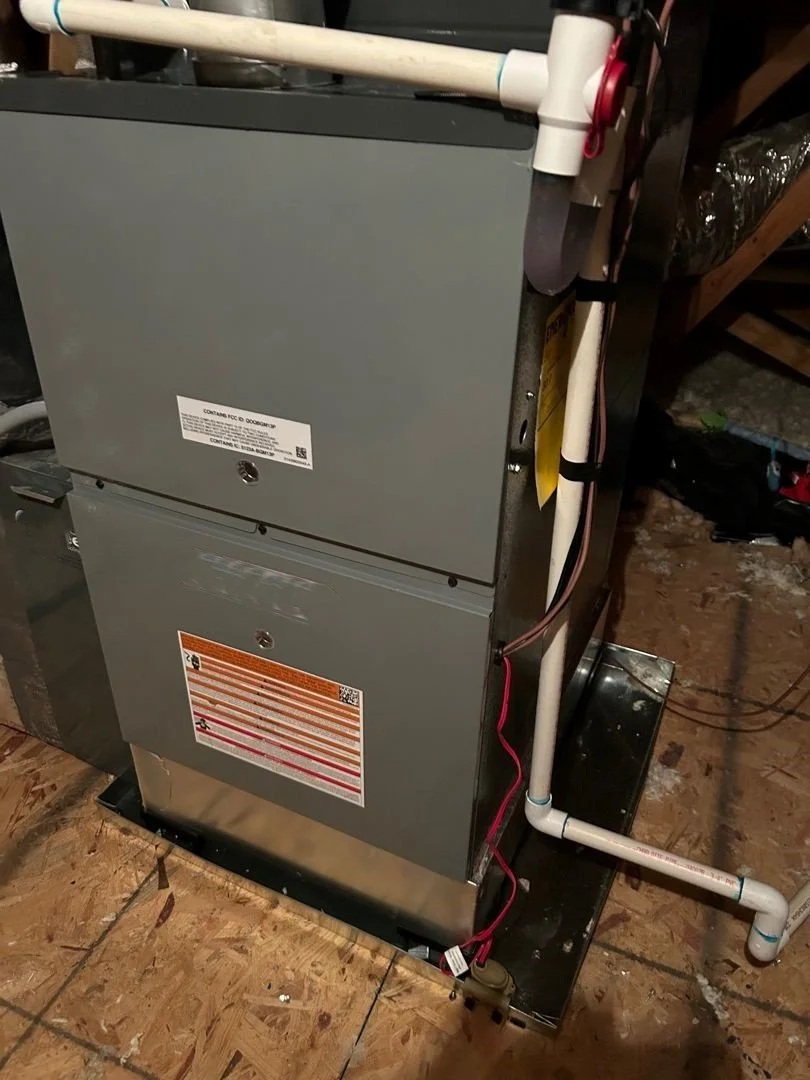
HVAC unit with drip pan underneath, PVC drain pipe on right side and vertical cleanout port on top of unit
August brings a unique combination of high outdoor humidity, peak air conditioning usage, and late-summer thunderstorms. For property owners, this seasonal overlap creates hidden risks from condensation leaks in HVAC systems to elevated mold growth in unconditioned spaces like crawlspaces and basements. Taking a proactive approach to property maintenance in late summer prevents emergency water damage and keeps indoor environments healthy as autumn approaches.
During the hottest weeks of August, residential and commercial air conditioning units run constantly. High humidity causes HVAC systems to pull gallons of moisture out of the air daily. This can pose a risk to homeowners when condensation drain lines clog with algae, dust, or debris, causing backup directly into drain pans. If the safety float switch fails, water overflows into ceilings, drywall, and surrounding flooring. Given that these areas are not visible in the common living areas, the damage grows unseen unless the homeowner is actively checking for this issue.
Many homeowners do not know how to do this. Locate the main AC unit inside your home. Inspect the floor around the unit and the ceiling of the room below if this is in an attic or utility room instead of a garage or basement. Look for water, staining or rust spots along the base of the unit. The unit should have a drain pan beneath the cooling coils or underneath the entire unit. If there is standing water in either pan, your drain line may be partially or fully clogged. Follow the PVC pipe exiting the AC unit to where it connects to the unit. There should be a vertical pipe or a cleanout port near the unit where this pipe is connected. Check the vertical pipe or port for signs of algae, dust and slime collected in the trap directly below this access point. If the trap is full of these materials, it will slow water flow trying to exit the AC unit. Next go outside to where that same PVC pipe exits the exterior wall of your home. This is usually close to the outdoor compressor unit installed beside or behind your home. If your AC unit has been running for a long time and the exterior end of this pipe is dry, water is not able to drain from your AC unit as designed and is probably leaking into some other part of your home. Signs of water leaking inside your home around your AC unit or signs that water cannot drain outside your home as designed, are warnings that require action. Call a service technician to inspect and repair your AC unit then call ServiceMaster of Gwinnett or ServiceMaster 5 Points to help you find the hidden water damage and mitigate it before it can travel to unaffected areas of the home or promote mold growth. Likewise, if you cannot find the sections of the AC unit described in this paragraph to inspect them, consider getting a maintenance plan for your AC to have a professional check it for you.
Summer humidity frequently migrates into unconditioned areas of the home such as crawlspaces and basements. When warm, moist air enters cooler subfloor areas, condensation forms on exposed wooden floor joists and insulation. Relative humidity levels consistently above 60% in enclosed spaces create ideal conditions for surface mold spores to bloom and will cause wood decay over time. In Georgia during the summer months, this is a relatively common problem. To protect these areas, make sure all your doors and windows have proper seals that are intact. Ensure vapor barriers remain intact, flat, and fully covering exposed soil in crawlspaces. Ideally the vapor barrier is 6 mil or thicker material that has at least 12-inch overlaps at the seams that are securely taped to prevent any moisture from getting through. In older homes the crawlspaces were vented. Close the vents in summer months to help limit the more humid summer air from flowing into the area under your house. Keep basement doors and windows closed tight, including exterior doors and interior doors that go from the basement to the common living areas of the home. Homes where the humidity levels exceed that 60% mark need a dehumidifier in the basement or crawlspace that drains to the outside, to help reduce the humidity level below 55%.
Heavy downpours from summer thunderstorms drop significant volumes of water in short periods. Clogged gutters cause roof runoff to spill over fascia boards, pool against foundation walls, or seep into lower-level window wells and basements. Pooling of water can cause water damage to the lower levels of your home, such as a crawlspace or basement. Many homes are built on a slab, and water may find its way into the main living area in these homes. Clear gutters and downspouts of pine needles, leaves, and storm debris. Ensure downspout extensions discharge water at least 6 feet away from the foundation. Also look at the ground where the downspouts end. If the land is graded toward the home, water will simply flow back to the foundation. The land needs to be graded so that it slopes away from the home.
When pipe leaks or an AC overflow cause water damage, fast response times matter. Water migrates quickly into subflooring, drywall, and structural framing. Locate the main water shut-off valve or turn off the appliance line immediately. If you have a chance, take quick photos and videos of the affected area for insurance documentation, but do not let this step slow your efforts to stop the water from traveling to unaffected areas or get help coming right away. You may not detect moisture inside ceiling and wall cavities or under flooring simply by feeling the drywall or flooring material with your hands. Standard household fans cannot dry this hidden moisture inside wall cavities or beneath subfloors. Specialized moisture meters used by trained professionals, and industrial dehumidification equipment are required to trace the path of water and bring structural materials back to dry standards.
Whether handling an unexpected ceiling leak, a flood from a summer storm or a sudden plumbing failure, the certified restoration professionals at ServiceMaster of Gwinnett and ServiceMaster 5 Points will ensure that your property remains clean, dry, and healthy year-round. We are preferred providers for most insurance carriers and adhere to program guidelines and IICRC industry standards for every job we do.